Proudly serving Phoenix, Mesa, Scottsdale, Glendale, Chandler, Tempe & surrounding areasCall or Text 24/7: 480-264-9793
Aerial view of Phoenix, AZ residential neighborhoods, saguaro cacti, and desert landscape during golden hour.

Residential Demolition in Surprise, AZ for Interior Gutting & Structural Work

Phoenix Demolition Co. provides residential, commercial, and interior demolition throughout Surprise, Arizona. Our crews also handle selective and structural demolition, concrete and pool removal, garage and shed demolition, flooring removal, and site clearing. We work with homeowners, property managers, and general contractors on scopes ranging from one-room removals to full-building teardowns.

Surprise properties range from decades-old homes near the original townsite to newer master-planned communities, so demolition plans must fit very different structures and site conditions. Caliche-heavy desert soil can affect foundation removal, pool excavation, equipment choice, and grading. We account for those conditions from the estimate onward while coordinating city permits, utility disconnections, debris hauling, and recycling.

From the original 1938 townsite and 2005-built subdivisions to Bell Road and Loop 303, we plan work around the property's setting and intended next use. Request a free, no-obligation estimate before planning a remodel, redevelopment, or new build.

★ ★ ★ ★ ★4.9/5 Average Rating - 20+ Years of Experience - Surprise Demolition Contractor Specialists - Residential & Commercial
Demolition Services
Demolition Services for Surprise, AZ

Choose a scope based on what must be removed, what must remain, and how the property will be used next. We match residential, commercial, selective, structural, concrete, pool, flooring, and clearing work to the site. Property owners coordinating work elsewhere in the Valley can also review demolition services in Queen Creek, AZ .

Residential Demolition

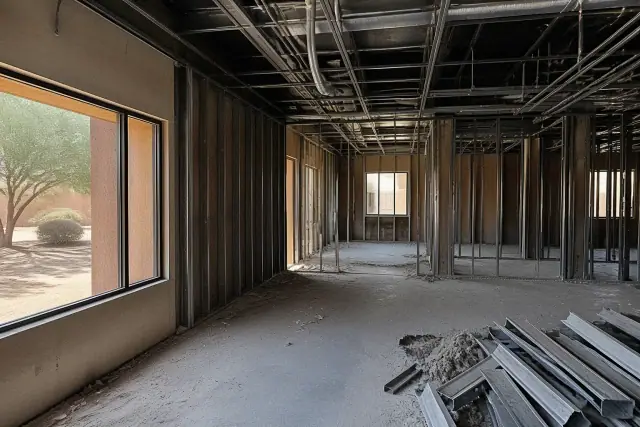
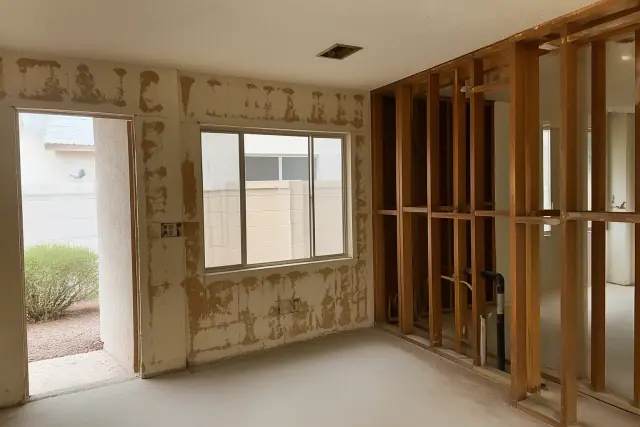
Interior of a residential home under demolition with exposed wall framing in Surprise, AZ.

We remove single-family homes, manufactured housing, and additions for infill, rebuilding, and renovation projects. Residential scopes include utility-disconnection coordination, City of Surprise permits, debris hauling, and disposal or recycling.

Explore Service

Commercial Demolition

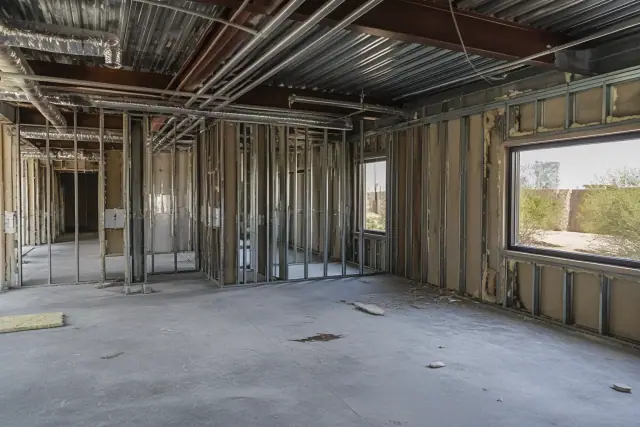
Interior of a commercial building demolition site in Surprise, AZ, showing exposed studs and ceiling conduits.

Commercial work includes tenant-improvement demolition, standalone teardowns, and shell removal along Bell Road, Grand Avenue, and other Surprise retail corridors. We coordinate phased work with property managers and general contractors so occupied buildings can remain operational.

Explore Service

Interior Demolition

Interior of a commercial office gut in Surprise, AZ, showing exposed studs and utilities during a demolition project.

Interior demolition removes drywall, non-load-bearing partitions, ceiling grids, cabinetry, and fixtures while leaving the exterior shell and roof system intact. It prepares homes, offices, and retail spaces for kitchens, buildouts, and full interior renovations.

Explore Service

Selective Demolition

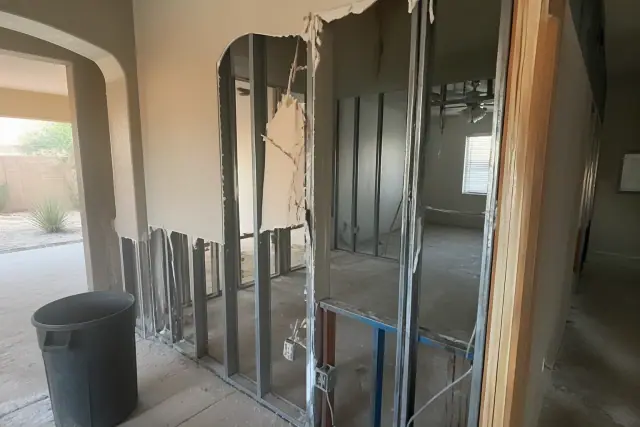
Interior selective demolition of a residential partition wall with exposed metal studs in a Surprise, AZ home.

Selective demolition targets only the wall, bathroom, wing, or other component identified in the renovation plan. We isolate work zones and use containment barriers to control dust while protecting the surrounding structure.

Concrete Demolition & Removal

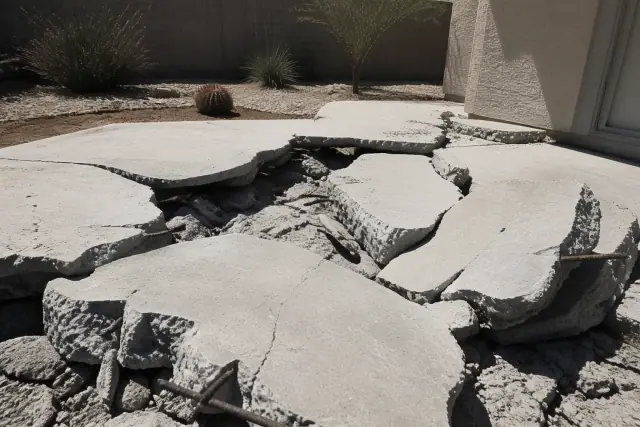
Concrete demolition and removal of a fractured slab with exposed rebar at a residential site in Surprise, AZ.

We break and remove driveways, patios, sidewalks, slabs, and tilt-wall panels with hydraulic hammers or excavator attachments. Slab thickness and rebar affect the scope, and separated concrete can be sent for crushing into recycled aggregate.

Pool Demolition & Removal

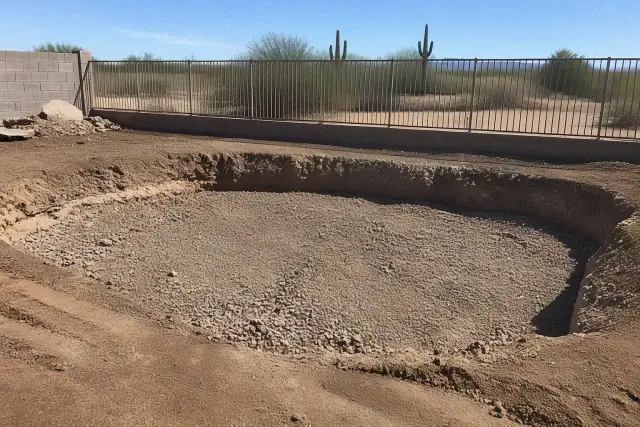
Hollowed pool cavity filled with aggregate materials during a demolition project in Surprise, AZ.

Pool removal can mean excavating and hauling away the entire shell or breaking the shell, adding drainage holes, and backfilling it in place. Full removal costs more but avoids future settling concerns and may be required by a lender during resale; these projects are common in subdivisions built during the 2000s housing boom.

Structural Demolition

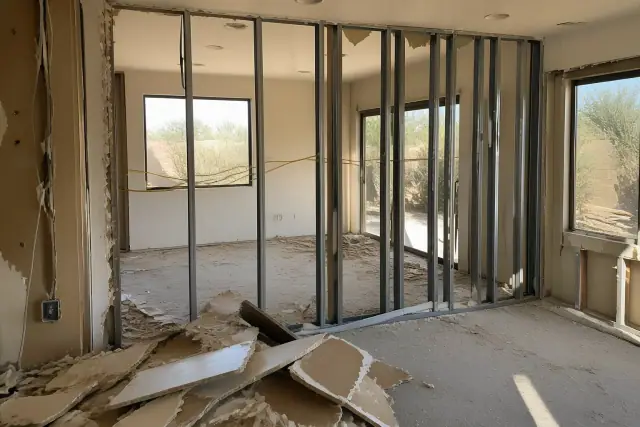
Partial drywall and metal stud demolition inside a house renovation project in Surprise, AZ.

Structural demolition removes load-bearing walls, roof framing, foundations, and slab-on-grade systems. We assess how the building carries loads before mobilizing equipment, especially when adjacent buildings share walls or foundations.

Garage & Shed Demolition

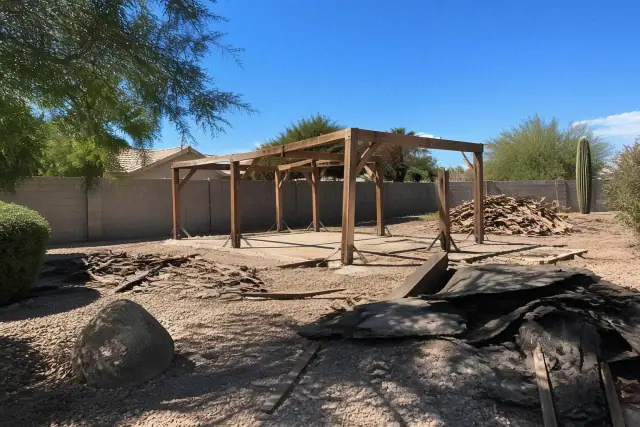
Piles of wood scrap and torn roofing materials during a garage and shed demolition in Surprise, AZ.

For garages, we remove roof and wall framing and either remove or retain the slab according to the next construction plan. A standard backyard shed can often be removed within hours, whether it has a wood frame or a metal shell.

Flooring Removal

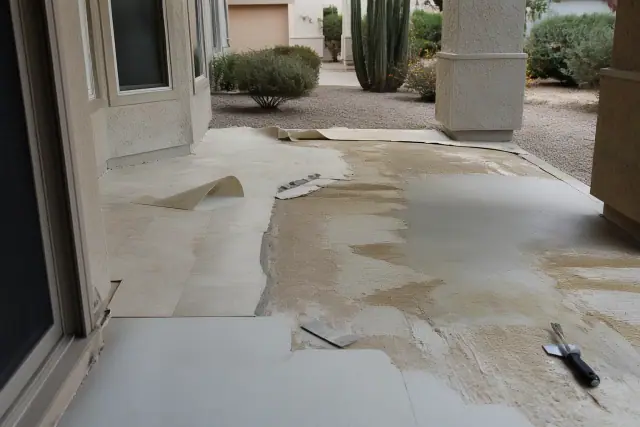
Vinyl floor removal on a subfloor with exposed adhesive at a residential jobsite in Surprise, AZ.

We remove tile, hardwood, carpet, vinyl, and concrete slab flooring, haul away the material, and expose the subfloor or slab for the next trade. Standalone flooring removal is frequently requested in Surprise homes built in the 1990s and early 2000s.

Site Clearing & Debris Removal

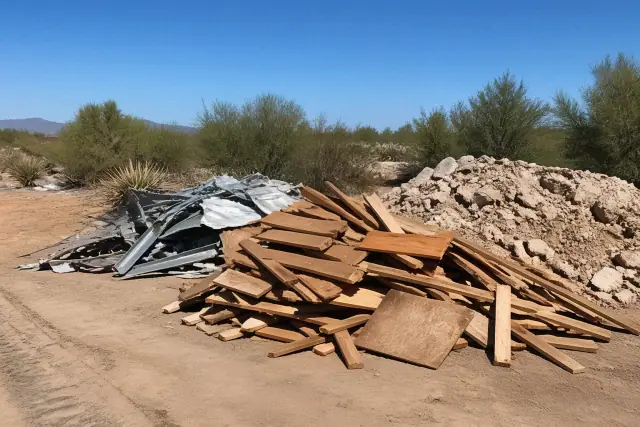
Sorted pile of construction waste including wood, metal, and masonry at a jobsite in Surprise, AZ.

Site clearing removes vegetation, old foundations, fencing, remaining structures, and debris before grading the land for its next use. We also handle standalone property cleanouts and sort concrete, metal, and wood into their available Phoenix-area recycling channels.

Choosing a Scope

How to Choose the Right Demolition Scope in Surprise, AZ

The right scope balances what must come out, what must stay, site access, disposal needs, permitting, and the owner's next construction plan. A clear pre-work assessment helps match equipment and sequencing to the property before demolition begins.

Full or Partial Demolition

Choose a full teardown when the entire structure and usually its foundation must come down to grade. Interior or selective demolition is better when the shell, roof, load-bearing system, or surrounding finishes must remain.

Project Size and Timing

Square footage, foundation type, detached structures, site access, and debris volume determine equipment needs and haul cycles. Permitting lead time should be separated from the physical demolition schedule when comparing estimates.

Pool Removal Method

Full pool removal excavates the shell and hauls it away, while partial removal breaks the shell, creates drainage openings, and backfills the cavity. The future use of the yard, resale plans, lender requirements, and settling concerns should guide the choice.

Concrete Thickness and Rebar

A thin patio and a reinforced structural slab do not require the same demolition plan. Concrete thickness, embedded rebar, equipment access, and the volume to be hauled or recycled all influence pricing and production.

Structural and Shared-Wall Review

Load-bearing elements require a framing and foundation assessment before removal. Structural engineering input may also be needed when a Surprise strip center or multi-family building shares walls or foundations with adjacent spaces.

Pre-1980 Material Screening

Homes built before 1980 may require an asbestos survey before a demolition permit is issued. When suspect material is present, testing and abatement scheduling must be coordinated before structural work under applicable Maricopa County NESHAP requirements.

Surprise Site Conditions

Common Demolition Challenges on Surprise Properties

Growth from under 31,000 residents in 2000 to more than 143,000 today has placed older sites and newer subdivisions in the same demolition market. Local projects can be shaped by caliche, aging materials, occupied commercial spaces, reinforced concrete, and required utility or permit coordination.

Request Project Estimate

Caliche-Heavy Soil

Hardpan caliche can demand more excavator time when crews pull foundations, remove pool shells, or grade a cleared lot. Identifying the soil condition during estimating helps match attachments and production assumptions to the site.

Suspected Hazardous Materials

Older finishes and assemblies may contain suspected asbestos-bearing material that cannot simply enter the normal demolition stream. Testing, abatement coordination, and documentation can change both sequencing and the start date.

Utility and Permit Hold Points

Equipment cannot mobilize until required utility disconnections and City of Surprise approvals are confirmed. Missing verification can delay an otherwise ready demolition crew and affect the broader construction schedule.

Occupied Commercial Sites

Retail centers and offices often need demolition phased around business hours and neighboring tenants. Isolation, dust containment, access planning, and direct coordination with the property manager keep the work zone separate from occupied areas.

Reinforced Concrete

Thick slabs, foundations, and tilt-wall panels take different attachments and processing than light flatwork. Rebar adds separation work before concrete can be hauled to a recycling facility.

Mixed Demolition Debris

A teardown can produce concrete, metal, wood, flooring, fixtures, and general debris in the same work area. Sorting recoverable materials and planning haul loads reduces unnecessary mixing and supports the available recycling channels.

Why Choose Us

Why Choose Phoenix Demolition Co. in Surprise, AZ?

Phoenix Demolition Co. combines local site knowledge with documented contractor credentials and a structured demolition plan. We account for Surprise permitting, West Valley conditions, safety standards, and the property's intended next use before work begins.

Arizona Contractor Credentials

We hold an active Arizona Registrar of Contractors demolition classification and carry liability and workers' compensation coverage. That documentation gives homeowners, lenders, property managers, and general contractors clear proof before mobilization.

Safety and Dust-Control Planning

Our project plans follow OSHA 29 CFR 1926 Subpart T demolition standards and account for Maricopa County Air Quality Department dust-control requirements. Public-sector scopes can also include bonded contractor status, debris tracking, compliance records, and bid reporting.

Surprise and West Valley Knowledge

We plan differently for older townsite properties and master-planned neighborhoods such as Marley Park and Asante, many developed within the last twenty years. West Valley equipment staging supports practical mobilization across Surprise and northwest Maricopa County.

Demolition Process

Our Demolition Process in Surprise, AZ

A clear sequence connects the estimate to final grading. Utility coordination typically adds a few days to scheduling, while debris hauling and final grading can bring many residential projects to completion within a week of mobilization once permits are ready.

01.

1. Scope and Itemized Estimate

We inspect what must be removed, what must remain, equipment access, foundation conditions, and the next use of the property. The free, no-obligation estimate separates labor, equipment, permitting, and disposal costs.

02.

2. Utilities and Permits

Utility disconnections are coordinated with SRP, Southwest Gas, and the City of Surprise water department as applicable. We pull the required Development Services permit, schedule inspections, and confirm approvals before equipment mobilizes.

03.

3. Material Testing and Planning

Suspect materials are identified before structural work so required testing and abatement can be scheduled. The work plan then accounts for containment, dust control, debris handling, and any reporting requirements.

04.

4. Work-Zone and Equipment Setup

We isolate selective or occupied work zones and stage excavators, skid steers, hydraulic breakers, or other attachments for the approved scope. Structural conditions, shared walls, access, and caliche influence the setup.

05.

5. Controlled Demolition

Crews complete mechanical, interior, or selective demolition in the planned sequence. Load paths and protected areas are monitored as material is brought down, separated, and prepared for removal.

06.

6. Hauling, Recycling, and Grading

Debris is hauled to approved disposal or recycling facilities, with concrete, metal, and wood separated where possible. After the approved structures and materials are removed, we clear the pad and grade the site as the scope requires.

Planned Outcomes

Demolition Outcomes for Surprise Homes & Businesses

Case Study 1: Residential teardown: A complete scope can carry a single-family home from utility confirmation through foundation removal, debris hauling, and final grading for the next build.

Case Study 2: Renovation preparation: Interior or selective demolition can remove drywall, partitions, fixtures, flooring, or a planned wing while protecting the structural shell and adjacent finishes.

Case Study 3: Outdoor clearance: Pool, concrete, garage, shed, and site-clearing scopes can leave the planned area ready for the next trade or intended property use.

Start With a Clear Scope

Schedule Your Surprise
Demolition
Estimate

Tell us what needs to come out, what must stay, and what you plan to build or renovate next. We provide a free, no-obligation demolition estimate that breaks out labor, equipment, permitting, and disposal.

Demolition Answers

FAQs About Demolition in Surprise, AZ

These answers cover pricing, timing, permits, methods, site conditions, and service coverage for demolition projects in Surprise. A property-specific estimate is still needed to confirm the exact scope.

Call About Demolition

House demolition in Arizona generally runs $8,000 to $25,000, while national data places per-square-foot costs at $4 to $17 and a typical project around $10,000. Surprise pricing depends on square footage, foundation type, hazardous materials, pool or detached-structure removal, and current disposal rates. An itemized estimate is the best basis for a specific property.

Selective or interior demolition costs less than full structural teardown because it removes less material and uses less heavy-equipment time. Salvaging or recycling concrete, metal, and fixtures can reduce disposal costs, and bundling clearing with debris hauling can avoid extra mobilization. A detailed written estimate helps prevent unexpected changes.

The three recognized types are implosion, deconstruction, and mechanical demolition. Implosion uses controlled explosives for large structures and is not typical for Surprise's residential or low-rise commercial buildings. Deconstruction takes a structure apart piece by piece, while mechanical demolition uses excavators and hydraulic breakers for faster removal.

Once permits are ready, physical demolition of a typical 1,500 to 2,500 square foot home takes one to three days. Utility coordination, debris hauling, and final grading add time, and larger homes, detached structures, or required abatement can extend the schedule.

Demolition projects require a permit through the City of Surprise Development Services Department along with utility-disconnection verification. Required inspections and paperwork must be completed before and during the approved work. We manage permit pulling and scheduling as part of the project.

Services include residential, commercial, interior, selective, structural, concrete, pool, garage, shed, and flooring demolition. Site clearing, property cleanouts, debris hauling, and grading can also be included when they fit the approved scope.

Full removal excavates the entire pool shell and hauls it away. Partial removal breaks the shell, adds drainage holes, and backfills the cavity in place. Full removal costs more but avoids future settling concerns and may be required by a lender during resale.

Interior demolition strips nonstructural materials from inside a building while preserving its exterior shell and roof. Selective demolition is narrower and removes only the wall, room, fixture group, or wing identified in the renovation plan. Both require protection for nearby surfaces and dust containment.

Slab thickness, rebar reinforcement, equipment access, total volume, and hauling needs all affect concrete demolition pricing. Driveways and patios generally require a different plan than foundations or tilt-wall panels. A site inspection is needed to identify those conditions.

Utility coordination may involve SRP, Southwest Gas, and the City of Surprise water department, depending on the property. Each required disconnection must be verified before equipment mobilizes. The exact list is confirmed during permitting and project planning.

Older homes with suspected asbestos-containing material may need a survey before a demolition permit is issued. When testing confirms regulated material, abatement must be coordinated before structural demolition in line with Maricopa County Air Quality Department and Arizona Department of Environmental Quality requirements.

Yes. Commercial scopes include tenant-improvement work, shell demolition, and standalone teardowns, while industrial scopes can include warehouses, light-manufacturing buildings, steel frames, concrete tilt walls, and heavy debris processing. Larger or occupied sites are typically completed in planned phases.

Within Surprise, service extends to Marley Park, Surprise Farms, Sun Village, Sierra Montana, Asante, and Rancho Gabriela, as well as sites near the Recreation Campus and Bell Road corridor. Nearby coverage includes Peoria, El Mirage, Waddell, Youngtown, Sun City West, and parts of Litchfield Park.

Debris hauling is included in demolition scopes, and standalone property cleanouts are also available. Concrete, metal, and wood are separated for their available recycling channels where possible, while remaining material goes to approved disposal facilities.

Site clearing removes vegetation, fencing, old foundations, residual structures, and debris before grading. Full property demolition combines structure removal with concrete work, pool removal when applicable, debris hauling, and final clearing. The right scope depends on what remains on the lot and its next use.