Proudly serving Phoenix, Mesa, Scottsdale, Glendale, Chandler, Tempe & surrounding areasCall or Text 24/7: 480-264-9793
Aerial view of Phoenix, AZ residential neighborhoods, saguaro cacti, and desert landscape during golden hour.

Residential Demolition in Glendale, AZ for Houses, Mobile Homes & Structures

Phoenix Demolition Co. provides residential demolition in Glendale, AZ, for houses, mobile homes, and manufactured housing. Our local scope also includes commercial demolition, interior demolition, and selective demolition for remodels and tenant improvements. We remove concrete, pools, garages, sheds, flooring, and structural components when a project calls for a narrower scope. Site clearing and debris removal complete the work so the property is ready for its next use.

Glendale properties range from 1950s and 1960s ranch homes near Catlin Court to newer subdivisions around Loop 303, so demolition plans must account for different framing, foundations, and access. Caliche soil can complicate foundation removal and pool backfill, while older finishes may need testing for asbestos before mechanical work begins. We coordinate permits, utility disconnects, dust control, and sequenced teardown with the site conditions in mind. Call for a site walkthrough and demolition quote before breaking ground.

Service extends across Historic Catlin Court, Sahuaro Ranch, Arrowhead Ranch, Stonegate, and the Westgate Entertainment District, as well as Peoria, Phoenix, Surprise, Sun City, Litchfield Park, and other supported West Valley communities.

★ ★ ★ ★ ★4.9/5 Average Rating - 20+ Years of Experience - Glendale Demolition Contractor Specialists - Residential & Commercial
Residential & Commercial Demolition
Demolition Services Across Glendale, AZ

Glendale had roughly 248,000 residents in the 2020 census and a varied property mix, from historic bungalows downtown to newer stucco-and-tile construction near Loop 101 and Loop 303. We match the scope to the building, surrounding properties, access, soil, and intended next use. The same planning-first demolition approach is available for projects in Chandler, AZ , where site conditions and local requirements may differ.

Residential Demolition

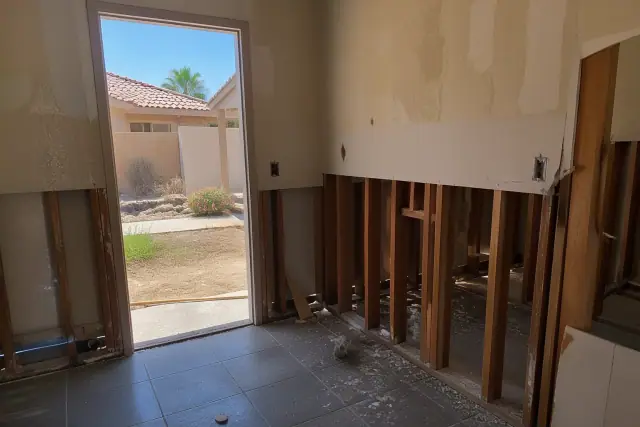
Interior of a residential home undergoing demolition with exposed wall framing in Glendale, AZ.

Full house teardown covers single-family homes, mobile homes, and manufactured housing before new construction or lot redevelopment. We coordinate utility disconnects, the City of Glendale demolition permit, structure removal, slab work, and debris hauling, with added care for homes built between the 1950s and 1980s.

Explore Service

Commercial Demolition

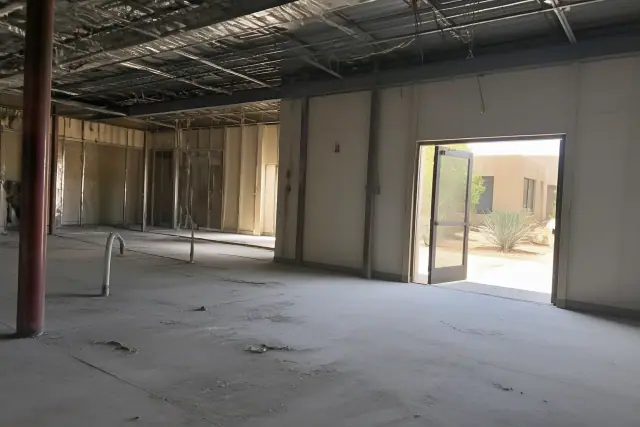
Interior of a commercial building undergoing demolition with exposed studs and utilities in Glendale, AZ.

Commercial demolition covers standalone structures and smaller retail interiors throughout the West Valley. Phased sequencing can limit disruption to neighboring businesses, while site controls follow Maricopa County Air Quality Department dust requirements.

Explore Service

Interior Demolition

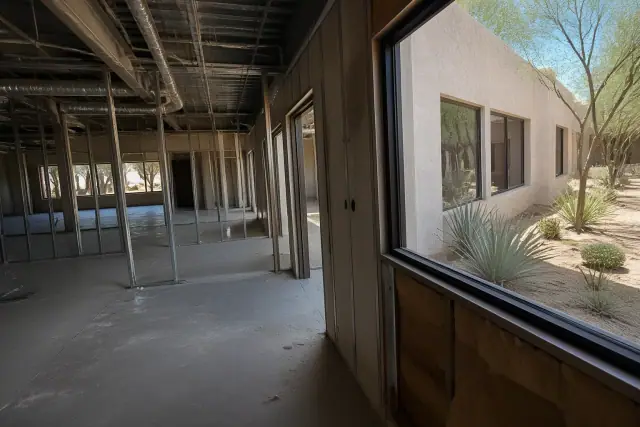
Interior of a commercial office demolition with exposed studs and utilities in Glendale, AZ.

Interior demolition removes walls, ceilings, fixtures, and finishes for renovations, tenant improvements, and gut remodels. The work is sequenced to retain and protect the exterior shell and load-bearing elements that remain.

Explore Service

Selective Demolition

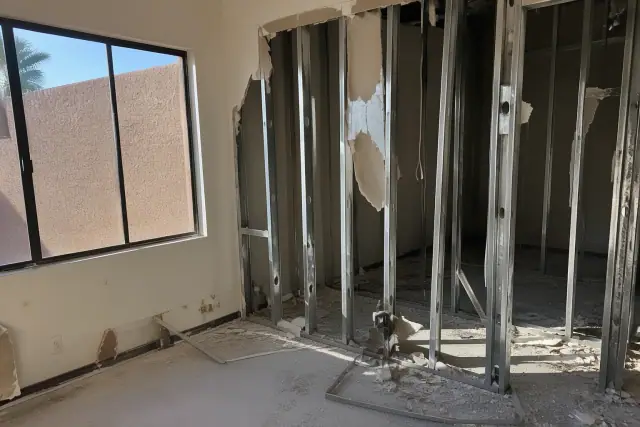
Selective demolition of drywall and metal studs at a room renovation project in Glendale, AZ.

Selective demolition targets a kitchen, bathroom, room, wall, or component while leaving the rest of the structure intact. It fits renovation plans that require a controlled tear-out rather than removal of the entire building.

Concrete Demolition & Removal

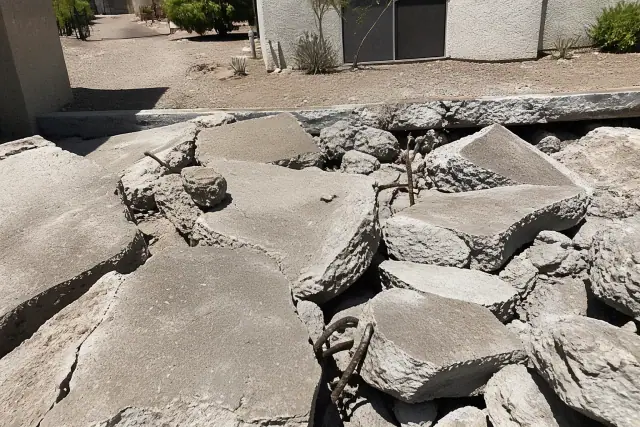
Broken concrete slab with exposed rebar during demolition at a jobsite in Glendale, AZ.

Concrete removal includes driveways, pavement, patios, slabs, and foundations. Hydraulic hammers and skid-steer attachments break the material into manageable pieces, which we haul to recycling facilities where possible.

Pool Demolition & Removal

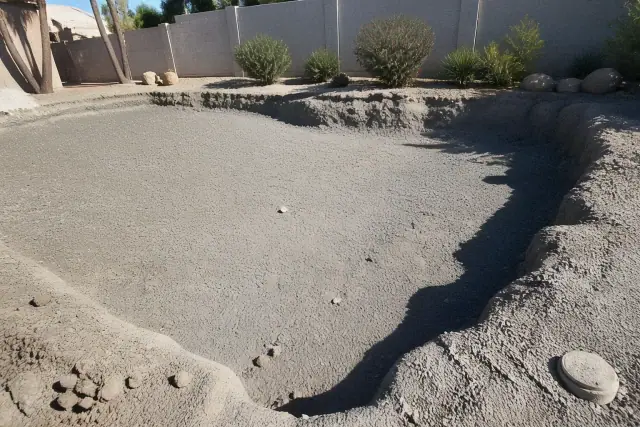
Excavated in-ground pool basin filled with aggregate staged for grading at a jobsite in Glendale, AZ.

Pool demolition can use full removal or a partial-fill method. Partial fill involves breaking the shell, perforating the base for drainage under Maricopa County code, placing engineered fill, and compacting it in lifts to reduce future settling.

Structural Demolition

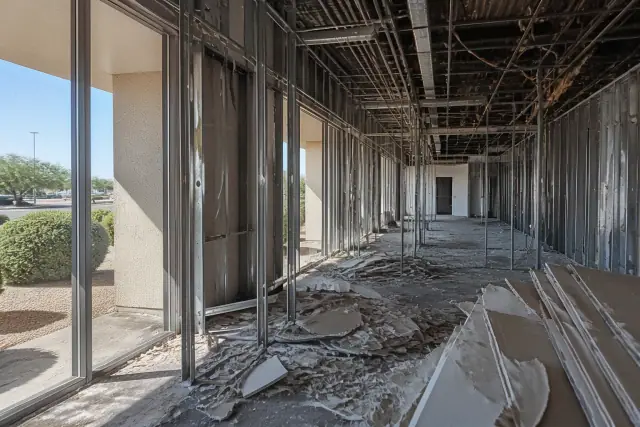
Interior view of a commercial office gut job and structural demolition in progress in Glendale, AZ.

Structural demolition addresses load-bearing walls, roof systems, and complete building frames. We assess whether the framing is wood stick-built or block construction, then sequence the teardown around the structure and surrounding site.

Garage & Shed Demolition

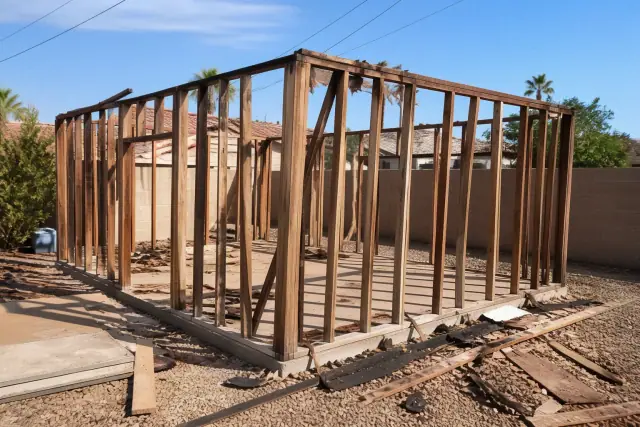
Partial demolition of a wooden garage structure with debris on the ground in a backyard in Glendale, AZ.

Garage demolition removes attached or detached structures after electrical service is disconnected. Shed demolition covers storage buildings, workshops, and outbuildings; these smaller jobs are often completed within a day, including pad and surrounding-debris cleanup.

Flooring Removal

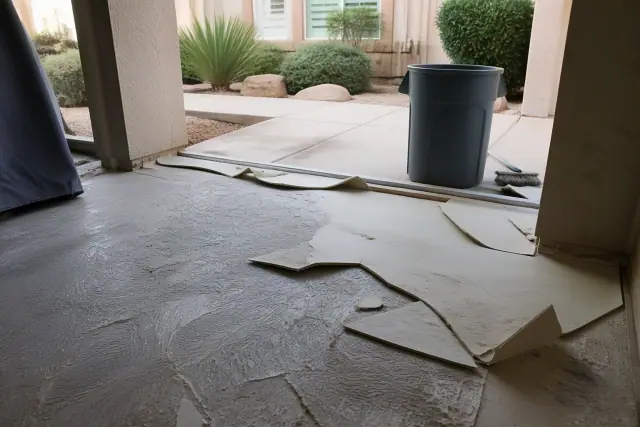
Flooring removal project showing torn vinyl sheeting and subfloor adhesive at a residential jobsite in Glendale, AZ.

Flooring removal covers tile, hardwood, carpet, and vinyl before new installation. In older Glendale homes, vinyl composition tile or mastic adhesive may require testing for potential asbestos content before removal begins.

Site Clearing & Debris Removal

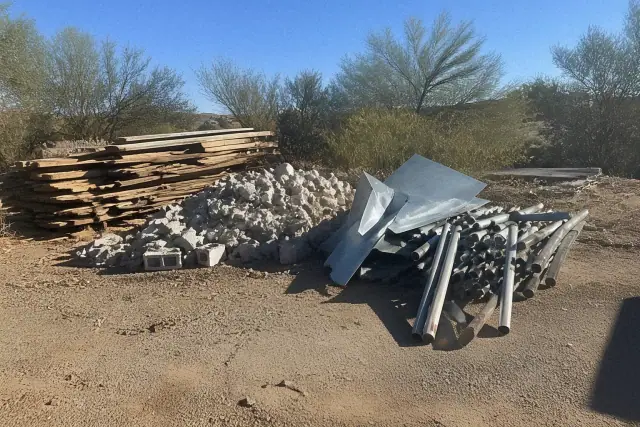
A stack of sorted construction waste including wood, metal, and masonry for site clearing in Glendale, AZ.

Site clearing prepares infill and post-demolition lots by removing vegetation, debris, and remaining foundation elements. Cleanup includes hauling and sorting concrete, metal, and wood so recyclable material can avoid the landfill when possible.

Scope Selection

Choosing the Right Demolition Scope

The right approach depends on what must remain, what comes next, and what the site allows. A site walk clarifies whether the project needs full structural removal, an interior strip-out, selective work, concrete or pool removal, or a combined scope with clearing and hauling.

Project Scope and Target Outcome

Start with the intended result: a cleared lot for new construction, a structural shell for renovation, or removal of one room or component. That distinction separates full demolition from selective or interior work and keeps the estimate tied to the actual plan.

Structure Age and Materials

Wood framing, block walls, mobile-home materials, concrete foundations, and older finishes require different equipment and sequencing. Identifying these conditions during assessment helps separate mechanical demolition from testing or careful hand removal.

Site Access and Utilities

Equipment access, setbacks, neighboring structures, and utility locations shape the demolition method. SRP, Southwest Gas, and City of Glendale Water Services disconnect confirmations must be coordinated before permitted structural work begins.

Hazardous Material Review

Flooring, pipe insulation, roofing, and adhesives in older buildings may contain asbestos. Testing determines whether a licensed abatement contractor and disposal documentation are needed before mechanical demolition can proceed.

Permits and Dust Control

The City of Glendale permit, required inspections, utility records, and any asbestos documentation must align with the chosen scope. During execution, dust controls follow Maricopa County Air Quality Department requirements, especially in dry and windy conditions.

Cleanup and Next Use

The next use determines whether a slab stays, a foundation comes out, a pool receives engineered fill, or the lot needs grading. Defining the finish condition early makes debris hauling, recycling, and final cleanup part of the scope rather than an afterthought.

Glendale Demolition Challenges

Common Demolition Problems on Glendale Properties

Demolition problems often begin before equipment arrives: unknown materials, unconfirmed utilities, limited access, hard soil, or an incomplete cleanup plan. A professional assessment brings those conditions into the permit, sequence, equipment, and disposal plan before teardown starts.

Request a Site Assessment

Older Materials and Asbestos

Aging flooring, mastic, pipe insulation, and roofing can conceal asbestos-containing material. Skipping the survey or required NESHAP notification can stop work, create exposure risk, and lead to regulatory problems.

Caliche and Foundation Resistance

Dense caliche layers affect how foundations release and how excavation equipment performs. The same slow-draining soil conditions matter when a removed pool or foundation must be backfilled and compacted to limit future settling.

Tight Access and Nearby Structures

Infill lots, attached garages, neighboring fences, and occupied commercial spaces can limit equipment movement. The site plan must protect adjacent structures and use a controlled sequence that fits the available access.

Pool Backfill and Drainage

A partial pool removal needs a broken shell, a perforated base, engineered fill, and compaction in lifts. Missing those drainage and fill steps can leave the area vulnerable to settlement in Glendale's caliche-heavy soil.

Utility Disconnects

Gas, electric, and water service must be located and formally disconnected before demolition equipment touches a structure. Confirmations from the serving utilities also support the City of Glendale permit process.

Debris Sorting and Disposal

Concrete, metal, wood, and mixed building debris do not all follow the same disposal path. Sorting recyclable material on site can reduce landfill waste while disposal manifests preserve a clear record when regulated material is involved.

Why Choose Us

Why Glendale Property Owners Choose Phoenix Demolition Co.

Demolition carries permitting, safety, property, and disposal responsibilities that reach beyond knocking down a structure. Phoenix Demolition Co. combines licensed, bonded, and insured work with Glendale-area site knowledge and coordination from the initial walk through final debris removal.

Licensed, Bonded, and Insured

We operate under Arizona Registrar of Contractors requirements as a licensed and bonded demolition contractor and carry general liability insurance on every job. That coverage and accountability matter when workers, neighboring structures, utilities, and regulated debris are involved.

Glendale Site Knowledge

A 1960s block home near Catlin Court responds differently than a 1990s frame-built house in Arrowhead Ranch. Local planning also accounts for caliche, flood-irrigated lots, HOA review, and different access conditions around older and newer neighborhoods.

Permit-to-Cleanup Coordination

We coordinate the City of Glendale permit, required inspections, utility disconnect records, hazardous-material steps, demolition sequencing, and debris documentation. Keeping those dependencies together reduces avoidable delays and leaves a clearer project record.

Planning Through Cleanup

Our Glendale Demolition Process

A demolition project moves from site assessment and testing through approvals, utility coordination, controlled execution, and cleanup. Each step protects the structure or property elements that remain and prepares the site for its intended next use.

01.

Site Walk and Scope

We assess the structure's age, construction, access, setbacks, utility locations, neighboring property, and desired finish condition. The visit defines full, structural, interior, selective, concrete, pool, or clearing work before pricing.

02.

Material Testing and Abatement Planning

Potential asbestos-containing flooring, insulation, roofing, or adhesive is identified for testing. When hazardous material is found, a licensed abatement contractor, required notification, and disposal manifest are coordinated before mechanical work.

03.

Permits and Utility Disconnects

We prepare the City of Glendale demolition permit and coordinate confirmations from SRP, Southwest Gas, and City water service. Required records and inspections must be in place before equipment begins structural removal.

04.

Site Protection and Dust Control

On demolition day, the work area is secured and adjacent structures are protected. Dust is controlled under Maricopa County Air Quality Department requirements, with extra attention during Glendale's dry, windy spring conditions.

05.

Sequenced Demolition

Work proceeds in a controlled order from interior strip-out to structural teardown and slab or foundation removal when included. The sequence changes for retained walls, attached structures, wood framing, block construction, and constrained access.

06.

Hauling, Recycling, and Final Grade

Debris is hauled away and recyclable concrete, metal, and wood are separated where possible. The job finishes with the agreed slab condition, pool backfill, pad cleanup, or graded and cleared lot.

Expected Project Outcomes

Demolition Outcomes for Glendale Properties

Case Study 1: Full residential teardown: The structure, included slab or foundation elements, and debris are removed so the lot can move toward redevelopment or new construction.

Case Study 2: Interior or selective demolition: Targeted walls, fixtures, flooring, or rooms are cleared while the exterior shell and designated load-bearing elements remain protected for renovation.

Case Study 3: Pool, concrete, and site work: Removed hardscape and debris are hauled away, while the agreed drainage, engineered-fill, compaction, clearing, or grading scope prepares the area for its next use.

Plan Your Project

Request a Glendale Demolition Estimate

Accurate demolition pricing starts with a site visit to confirm the structure, materials, access, foundation, debris volume, and permit needs. Request a free estimate that outlines labor, permit costs, disposal, and recycling fees for the agreed scope.

Glendale Demolition Help

Demolition FAQs for Glendale, AZ

These answers cover demolition pricing, timing, permits, asbestos, debris, project scope, and local site conditions. A property walkthrough is still the best way to confirm the requirements for a specific Glendale project.

Call Our Demolition Team

National industry cost data cited in the project draft places residential demolition at $4 to $17 per square foot, with full-house projects typically ranging from $6,000 to $25,000. A 2,000-square-foot home averages around $15,800 nationally, but a Glendale estimate depends on construction, foundation type, asbestos needs, access, and debris volume.

Mechanical teardown of a single-family home typically takes one to three days. The complete timeline can extend to two to four weeks when permitting, utility disconnects, and required asbestos abatement are included; interior and selective projects are often completed in a single day.

Yes, the City of Glendale Building Safety Division requires a demolition permit for a full structure teardown. Selective or interior work may also require permits depending on scope, and utility disconnect confirmations must be in place before permit issuance.

Homes built before the 1980s commonly contain asbestos in flooring, pipe insulation, or roofing, and Arizona Department of Environmental Quality rules require testing before demolition in many cases. If asbestos is found, a licensed abatement contractor must remove it before mechanical work, and a NESHAP notification may be required.

We haul demolition debris off site and sort recyclable concrete, metal, and wood where possible to reduce landfill waste. Cleanup is included in the demolition scope, and the lot is left in the agreed cleared or graded condition.

Selective demolition removes a room, wall, finish, or component while keeping the rest of the building intact. Full demolition removes the entire structure down to the agreed slab or foundation condition, usually for lot clearing or new construction.

Mobile-home demolition involves safe utility disconnects, possible hazardous materials, permits, and debris disposal under Maricopa County requirements. Improper gas or electrical disconnection and incorrect disposal can create serious hazards and fines, so the work is better handled by a qualified demolition contractor.

Full removal takes out the pool shell, while partial fill breaks the shell and perforates the base for drainage. The partial method then uses engineered fill compacted in lifts under the applicable Maricopa County requirements.

A written estimate follows a site visit because structure, access, materials, foundation, and debris volume affect the scope. The estimate outlines permit costs, labor, disposal, and recycling fees so the planned work is clear before demolition begins.

Commercial work can be divided into phases to reduce disruption to tenants and neighboring businesses. The plan coordinates with property management, protects adjoining areas, and applies Maricopa County Air Quality Department dust controls throughout the job.

Older vinyl composition tile and mastic adhesive may contain asbestos and can require testing before removal. Tile, hardwood, carpet, and vinyl can all be removed once the material review establishes the appropriate method.

Glendale coverage includes Historic Catlin Court, Sahuaro Ranch, Arrowhead Ranch, Stonegate, Berkeley Park, State Farm Stadium, Westgate Entertainment District, and Arrowhead Towne Center. Surrounding service areas named in the project draft include Peoria, Phoenix, Surprise, Sun City, Sun City West, Litchfield Park, Youngtown, and other Maricopa County communities.

Caliche-heavy soil is dense and slow to drain, which changes how excavation equipment handles foundation removal. It also makes proper pool-shell drainage, engineered fill, and compaction important for limiting future settlement.

The project draft notes temperatures above 100 degrees for much of June through September. Heavier structural work can be planned for cooler morning hours to support safer, more productive site operations.

Site clearing can include vegetation, loose debris, and remaining foundation elements when those items are part of the agreed scope. It is commonly used to prepare Glendale infill lots or post-demolition properties for new construction.