Proudly serving Phoenix, Mesa, Scottsdale, Glendale, Chandler, Tempe & surrounding areasCall or Text 24/7: 480-264-9793
Aerial view of Phoenix, AZ residential neighborhoods, saguaro cacti, and desert landscape during golden hour.

Site Clearing & Debris Removal in Phoenix, AZ for Construction Sites & Property Lots

Phoenix Demolition Co. provides site clearing and debris removal for homeowners, contractors, and commercial property owners in Phoenix, Arizona. Crews clear structures, concrete, asphalt, landscaping, and demolition debris for new construction, remodels, teardowns, and property resale. Our service covers residential and commercial lots, interior strip-outs, flooring removal, pool demolition, and garage or shed removal. Materials are separated on site and hauled to the appropriate licensed disposal or recycling facility.

Across Phoenix's 517.9 square miles, redevelopment can uncover old slabs, block walls, asphalt, caliche-heavy soil, and buried debris. Those materials can stall grading, foundation work, permits, or inspections when they are left behind or handled without documentation. Soil-disturbing work must account for Maricopa County Air Quality Department dust-control rules, and structures built before 1980 require asbestos-material screening before demolition. We plan the scope, separate the debris, and prepare the cleared site for the next contractor or inspection.

Our crews work under Arizona Registrar of Contractors licensing requirements and carry general liability and workers' compensation coverage. Call for a free estimate based on the site's structures, access, material types, debris volume, and grading needs.

Phoenix Demolition Co. provides site clearing and debris removal throughout Phoenix and the surrounding metro, including Scottsdale, Tempe, Mesa, Glendale, Chandler, and Peoria.

★ ★ ★ ★ ★4.9/5 Average Rating · 20+ Years of Experience · Thousands of Customers Helped · Licensed & Insured · Residential & Commercial

Phoenix Site Clearing Options & Benefits

What Is Site Clearing and Debris Removal?

Site clearing removes structures, slabs, vegetation, and construction material so a lot is ready for new construction, resale, or its next use. The work can include structural demolition, concrete removal, grading preparation, and hauling the resulting debris to the correct facility.

Unlike general cleanup, structural debris may require demolition equipment, cutting tools, dust controls, disposal permits, and documentation. Block walls, foundations, roofing, framing lumber, flooring, and pavement cannot always be treated as ordinary household junk.

A properly cleared site reduces the risk of permit delays and failed inspections with the City of Phoenix Development Services Department. Removing leftover foundations, buried debris, and regulated materials before the next phase gives builders and property owners a documented starting point.

Benefits of Professional Site Clearing

Site clearing combines demolition, sorting, hauling, and final cleanup in one planned scope. Each material is handled according to its weight, disposal classification, recycling potential, and effect on the next phase of work.

  • Existing structures, slabs, and site improvements removed for the next phase
  • Concrete, metal, wood, and general waste separated on site
  • Clean concrete and asphalt routed to C&D recycling facilities
  • Accurate disposal manifests for permit closeout and inspections
  • Dust-control planning for disturbed soil and demolition debris
  • Buried materials and caliche-heavy layers addressed before excavation
  • Fine material swept and the lot graded after hauling
  • Equipment and hauling capacity matched to residential or commercial scope
Phoenix Clearing Services

Site Clearing and Removal Services

The right clearing scope depends on what occupies the property, which materials must be removed, and what will happen on the site next. We handle residential, commercial, interior, concrete, pool, and outbuilding projects with the equipment and disposal plan each one requires.

Residential Lot Clearing

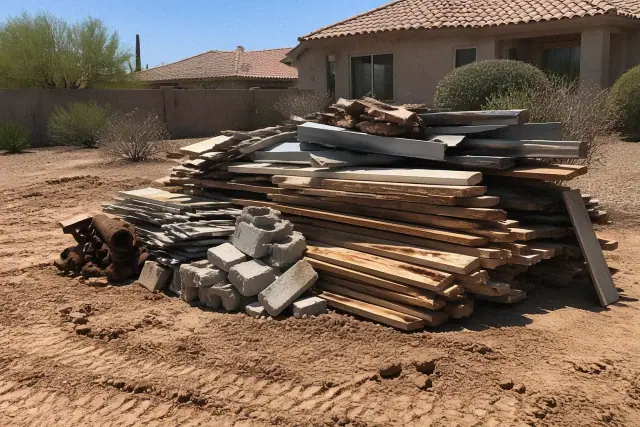
A neat stack of sorted construction waste on a cleared residential lot in Phoenix, AZ under harsh midday sunlight.

For rebuilds, additions, and teardowns in neighborhoods such as Ahwatukee, Arcadia, and Laveen, we remove existing structures, old slabs, dead landscaping, and buried debris down to grade. Residential jobs still receive the same material separation and disposal documentation used on larger projects.

Request Estimate

Commercial Lot Preparation

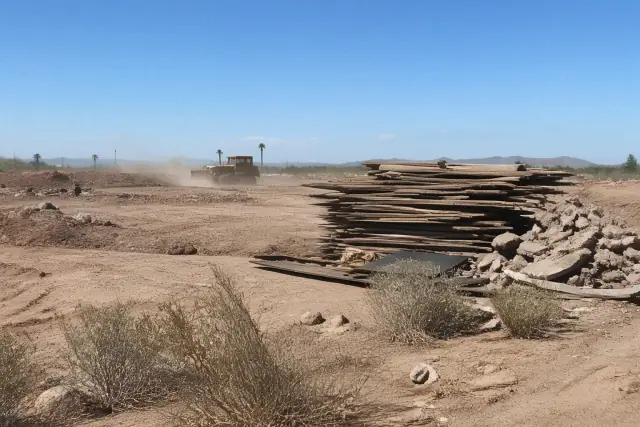
Construction equipment grading land and clearing a site with desert soil and debris in Phoenix, AZ.

Commercial parcels may require structures, pavement, and site improvements removed on schedules tied to lease terms, financing draws, or development milestones. We coordinate the cleared condition with civil engineers and grading contractors for projects along corridors such as Camelback, McDowell, and the I-17 industrial belt.

Request Estimate

Interior Strip-Outs and Flooring Removal

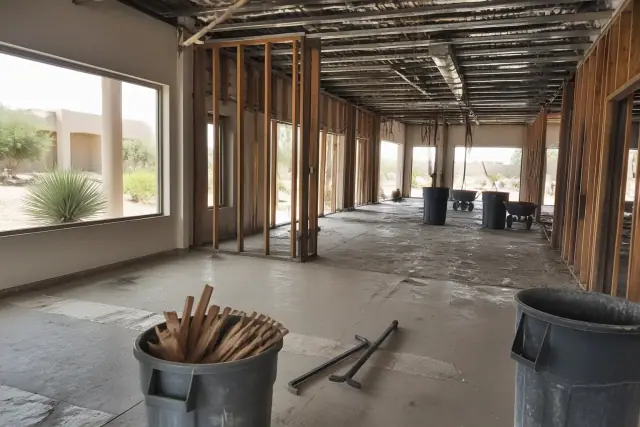
Interior strip-out and flooring removal at a commercial office site in Phoenix, AZ with debris bins and tools.

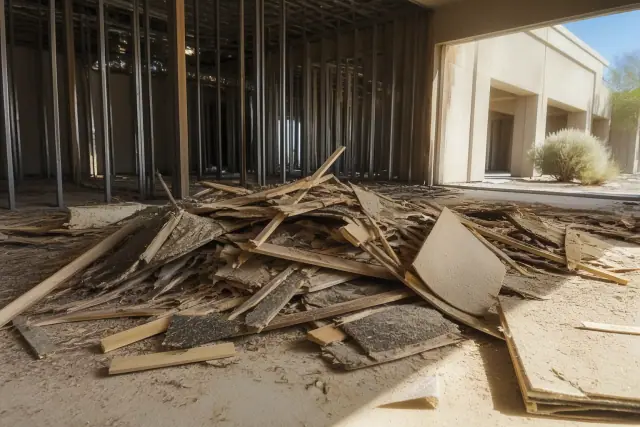
Interior demolition removes ceiling grid, drywall, partition walls, cabinets, tile, carpet, vinyl, engineered wood, and mechanical components while preserving structural elements needed for the new plan. Selective work is especially important where surrounding finishes or historic features must remain undisturbed.

Request Estimate

Concrete and Asphalt Removal

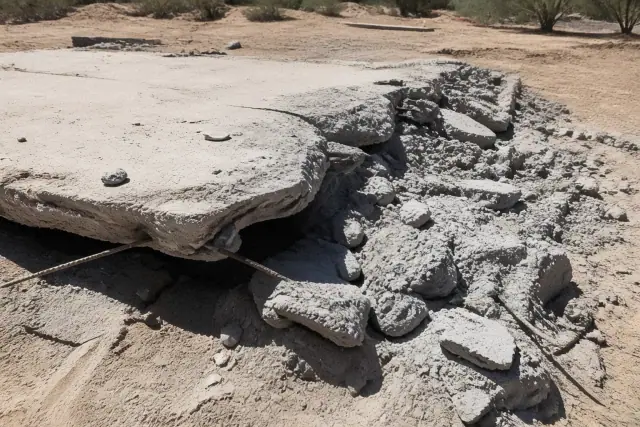
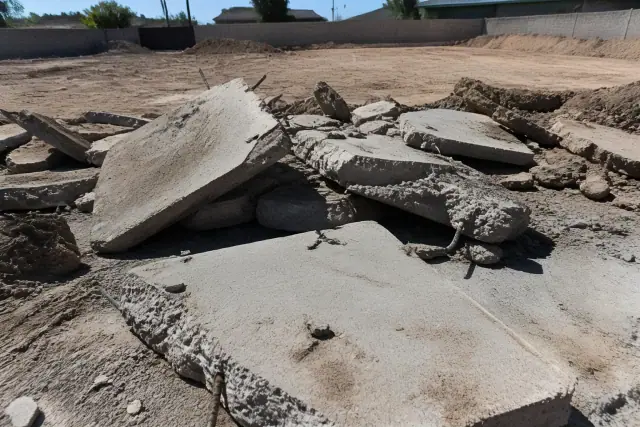
Concrete and asphalt debris from a demolition site in Phoenix, AZ with exposed rebar and dusty ground.

Hydraulic breakers handle slabs and foundations, while diamond-blade saws make precision cuts where surrounding surfaces need protection. Rebar is separated for metal recycling, and clean concrete or asphalt millings can be processed for use as base rock, aggregate, or future paving material.

Request Estimate

Pool Demolition and Backfill

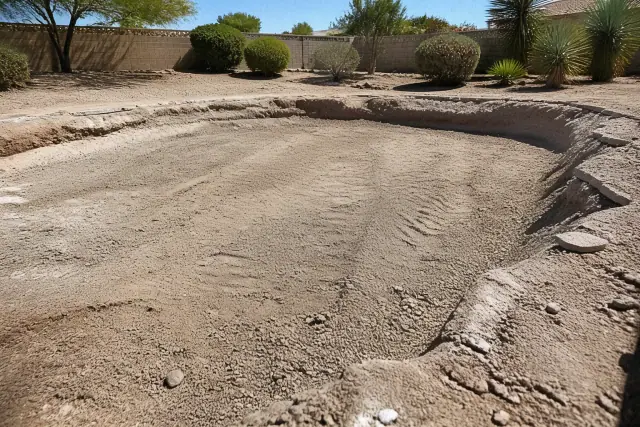
Pool demolition and backfill with aggregate materials at a jobsite in Phoenix, AZ.

Pool removal follows one of two paths: full removal of the shell and backfill, or partial demolition that breaks the bottom for drainage before backfilling the remaining shell. The City of Phoenix requires a permit for pool removal, and permit filing is included in our scope.

Request Estimate

Garage, Shed, and Outbuilding Removal

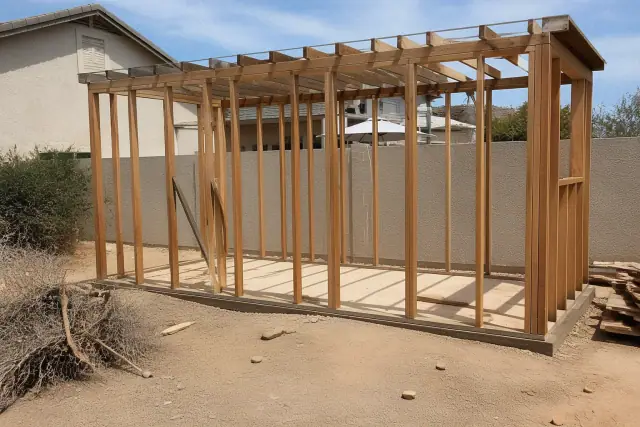
Skeletal wooden framework of a detached outbuilding being dismantled in a Phoenix, AZ backyard.

Garage demolition can include the structure, slab, attached utilities, and final grade restoration for a new structure, parking pad, or yard. Small shed and backyard outbuilding removals are typically same-day jobs with full debris hauling, including projects that clear space for a pool or accessory dwelling unit.

Request Estimate
Material-Specific Clearing

Clearing Options by Material

Concrete, asphalt, landscaping, interior finishes, structural debris, and general waste follow different removal and disposal paths. Separating those streams at the property keeps recyclable material out of mixed loads and sends each category to an appropriate facility.

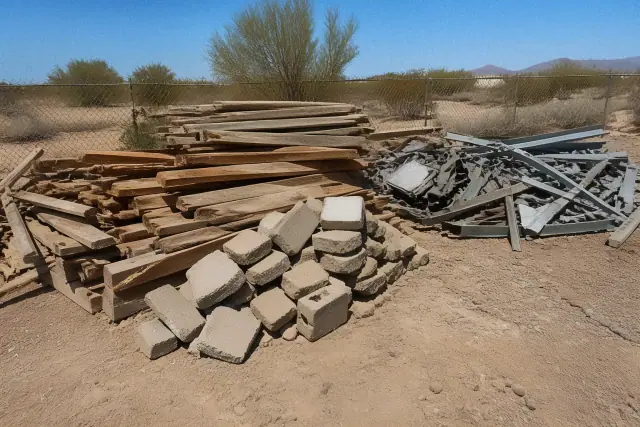
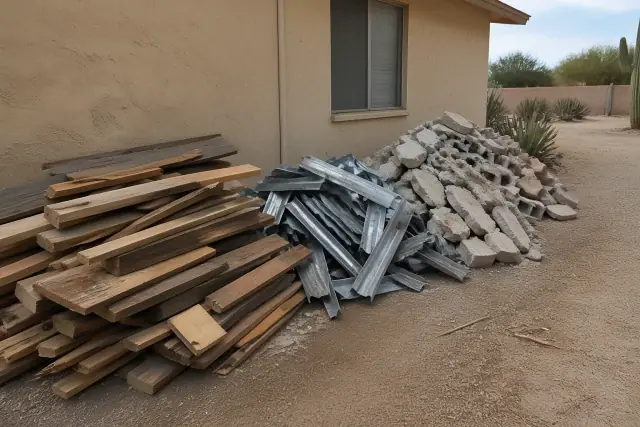
Sorted construction debris including wood, metal, and masonry piled at a job site in Phoenix, AZ.

Structural and Site Debris

Teardowns and remodels leave heavy, irregular material that often requires cutting, breaking, lifting, and sorting before it can be hauled. We scope access and volume before selecting equipment and containers.

  • Slab foundations, patios, and concrete pads
  • Block walls, brick, and masonry rubble
  • Roofing, framing lumber, and wood scrap
  • Old asphalt and paved site improvements
  • Bulk debris from demolition and remodeling
Request Estimate
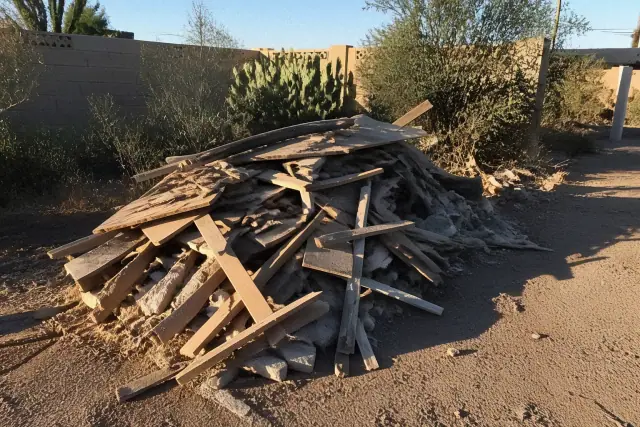
Pile of cleared desert brush, wood, and masonry debris at a landscaping site in Phoenix, AZ.

Landscaping and Yard Clearing

Yard clearing removes growth, hardscape remnants, and construction material left from earlier work. The result can be graded for new landscaping, turf, a rebuild, or another site improvement.

  • Overgrown citrus trees and dead palms
  • Gravel beds and old block borders
  • Dead landscaping before new hardscape or turf
  • Construction debris left from prior projects
  • Caliche-heavy soil layers that interfere with footing excavation
Request Estimate
Piles of construction debris and flooring remnants inside a gutted office space in Phoenix, AZ.

Interior and Flooring Debris

Interior work produces dense debris quickly; a single kitchen remodel can fill a trailer with cabinets, drywall, and tile. Phoenix homes built in the 1960s and 70s may also contain layers of vinyl, engineered wood, or old linoleum that require separate removal methods.

  • Drywall and ceiling material stripped to studs
  • Thinset-bonded tile broken and lifted
  • Carpet and laminate flooring removed
  • Hardwood, vinyl, engineered wood, and linoleum cleared
  • Cabinets, partition walls, and ceiling grid hauled
Request Estimate
Broken concrete and rebar on a jobsite during site clearing in Phoenix, AZ.

Concrete and Asphalt Recycling

Clean concrete and asphalt usually go to a construction and demolition recycling facility rather than a standard landfill. Processed material can return to future projects as base rock, fill, aggregate, or paving mix.

  • Hydraulic breaking for slabs and foundations
  • Diamond-blade cutting for controlled edges
  • Rebar separated for metal recycling
  • Asphalt milled or broken for hauling
  • Clean material diverted for processing and reuse
Request Estimate
Sorted construction waste including wood, metal, and masonry for site cleanup in Phoenix, AZ.

Final Cleanup and Site Restoration

Clearing is not complete when the last large piece leaves the property. The final pass addresses fine material, disposal records, and grade so the site is ready for the next contractor or inspection.

  • Loads routed to licensed transfer, recycling, or landfill facilities
  • Accurate construction-waste manifests retained
  • Remaining fine material swept from the work area
  • Cleared ground restored to the planned grade
  • Site left ready for follow-on work or inspection
Request Estimate
Planned for the Property

Choosing the Right Site Clearing Approach

A useful plan starts with the structures and materials present, utility and equipment access, permit or survey needs, debris volume, and the site's next use. Residential lots, occupied commercial buildings, historic properties, and industrial parcels each call for a different combination of selective demolition, heavy equipment, sorting, and grade restoration.

Licensed, Bonded, and Insured

Our crews work under an Arizona Registrar of Contractors license with general liability and workers' compensation coverage. As a bonded demolition contractor, we take responsibility for permit filings, required ADEQ notifications, and disposal documentation within the project scope.

Sorted Material Handling

Concrete, metal, wood, drywall, and general waste are separated instead of co-mingled. That makes the disposal path and manifests clearer while allowing recyclable material and applicable metal recycling credit to be handled separately.

Job-Sized Demolition Equipment

Skid steers, mini excavators, concrete breakers, and dump trailers are selected for the job's access, weight, and volume. Using equipment suited to the material reduces unnecessary trips and moves the project toward final cleanup faster than hand tools and a single truck.

Problems We Solve

Common Phoenix Site Clearing Challenges

Old Phoenix properties can hide layers of concrete, caliche, asphalt, mixed remodel waste, and regulated building material. We identify those conditions before work begins so the demolition method, dust controls, hauling plan, and required paperwork match the actual site.

Request a Free Estimate

Mixed Construction Debris

Co-mingled concrete, wood, metal, drywall, and general waste costs more to process and limits recycling options. Sorting at the job site gives each material a defined destination before the load leaves the property.

Buried Slabs and Caliche

Old foundations and buried debris can remain below an apparently clear surface, while caliche-heavy soil can interfere with footing excavation. Removing those obstructions down to the planned grade helps the next contractor begin with known conditions.

Permit and Inspection Delays

Leftover foundation material, buried debris, and undocumented regulated-material removal can delay permits or fail inspections with the City of Phoenix Development Services Department. Early scope review and disposal documentation help keep those issues visible before demolition starts.

Uncontrolled Dust and PM10

Disturbing dry soil and debris in the valley can release PM10 particulate and trigger Maricopa County Air Quality Department requirements. Dust-control planning must be part of demolition and grading work rather than an afterthought once equipment is moving.

Heavy Concrete and Asphalt

Slabs, foundations, patios, driveways, and parking lots require breakers, cutting tools, lifting capacity, and hauling equipment suited to dense material. Separating rebar and keeping concrete or asphalt clean also preserves their recycling options.

Older Materials Requiring Screening

Structures built before 1980 must be screened for asbestos-containing materials under EPA NESHAP requirements before walls, flooring, or other building material comes out. Identifying that requirement during assessment prevents demolition from getting ahead of the required survey and notification process.

How It Works

Our Site Clearing Process

The same planned sequence applies whether the property is a quarter-acre residential lot or a multi-acre commercial parcel. Scope, permits, equipment, material separation, hauling, and final grade are coordinated before the site is turned over for its next phase.

01.

Site Assessment and Scope

We walk the property or review photos to identify structures, utilities, access points, material types, debris volume, and grading needs. That information becomes the basis for a written estimate and equipment plan.

02.

Surveys, Permits, and Notifications

Before work begins, we confirm whether the scope requires a demolition permit, asbestos survey, dust-control permit, or ADEQ notification. Required filings and documentation are built into the plan rather than left for the end of the job.

03.

Site Setup and Dust Control

Equipment access, utility locations, debris-sorting areas, and hauling routes are set before demolition starts. Dust-control measures are prepared for work that disturbs Phoenix soil or dry construction material.

04.

Demolition and Material Separation

Structures, pavement, finishes, or landscaping are removed according to the approved scope. Concrete, metal, wood, drywall, and general waste are separated as work progresses so the piles remain usable for their intended disposal paths.

05.

Hauling and Documented Disposal

Loads go to licensed transfer stations, C&D recycling yards, or landfill facilities based on material type. Accurate construction-waste manifests document where the debris was handled for permit closeout or inspection records.

06.

Final Cleanup and Grade

After hauling, we sweep remaining fine material and restore the site to the planned grade. The cleared property is left ready for the next contractor, inspection, or approved use.

Plan Your Clearing

Plan Your Phoenix
Site Clearing
Project

Tell us what needs to be removed, what the property will become, and any schedule or access constraints you already know. We will assess the material, equipment, permit, hauling, and grading needs for a free written estimate.

Phoenix Service Help

Site Clearing & Debris Removal FAQs

These answers cover Phoenix clearing costs, debris handling, permits, recycling, project timing, and common property conditions. A site or photo assessment is still the best way to match the scope and written estimate to your material and access.

Call About Your Project

In the Phoenix market, a small debris load generally runs $65 to $299, a medium construction load runs $299 to $499, and a full trailer load typically costs $499 to $649. Concrete and structural debris cost more to handle than general trash because of their weight and disposal needs. We quote from an on-site or photo-based assessment of material type and volume rather than applying one flat rate.

Lot and land clearing generally runs $1,766 to $2,467 per acre, while full projects average $3,902 to $7,805 depending on structures, vegetation, debris, and grading needs. Tree and vegetation debris removal alone runs $77 to $517, averaging $155. A written estimate follows a site walk so the actual conditions, not a market average, determine the project price.

Concrete, wood, metal, drywall, and general waste should be sorted before leaving the property so recyclable material does not become part of a mixed load. Each category then goes to the appropriate C&D recycling yard, transfer station, or permitted landfill with accurate manifests. Work that disturbs soil or dry debris also needs dust controls that follow Maricopa County Air Quality Department requirements.

A $99 offer usually covers a very small household load, such as one item or part of a pickup-truck bed. It generally does not cover concrete, drywall, construction debris, demolition tools, or the labor required to break down structural material, so those scopes fall into construction-debris pricing instead.

No. Junk removal usually involves loose household items that can be lifted and hauled without demolition, while debris removal covers concrete, drywall, tile, framing, and similar material that may need cutting, breaking, heavy equipment, separation, and documented disposal.

Most structural demolition in Phoenix, including full home teardowns, garage demolition, and pool removal, requires a permit through the City of Phoenix Development Services Department. Older structures may also require an asbestos survey under EPA NESHAP rules before a demolition permit is issued. Phoenix Demolition Co. handles permit filing and required notifications within the project scope.

Clean concrete and asphalt usually go to a construction and demolition recycling facility, where they can be crushed and processed as base rock, aggregate, fill, or paving material. Rebar and other metal are separated from broken concrete on site so both material streams can be processed correctly.

A residential lot with a small structure and debris hauling usually takes one to three days, depending on structure size, access, and debris volume. Larger commercial properties or lots with multiple structures may take a week or longer, although additional equipment can accelerate work when the scope allows.

We remove concrete, block wall, brick, asphalt millings, drywall, tile, hardwood flooring, roofing, wood scrap, pallets, metal, landscaping material, and bulk debris from demolition or remodeling. Material is sorted at the curb or job site instead of being dumped together as one mixed load.

Yes, where Phoenix properties have basements or crawlspace access, we can clear accumulated debris, old insulation, and abandoned material before renovation or demolition continues above. Access, material condition, and any required screening are reviewed during the initial assessment.

Pool demolition can fully remove the shell before backfill or partially demolish it by breaking the bottom for drainage and backfilling the remaining shell. The appropriate path depends on the property plan and approved scope. Phoenix requires a permit for pool removal, which we include in the job filing process.

Yes. Commercial scopes can include structures, pavement, retail or office strip-outs, concrete tilt-up panels, structural steel, racking, and site improvements. We size equipment for the debris volume and coordinate the cleared condition with civil engineers or grading contractors when the development plan requires it.

Pre-construction clearing can remove existing structures, slabs, dead landscaping, buried debris, and caliche-heavy soil layers down to the planned grade. The site is then swept and left ready for the next contractor, footing excavation, or inspection identified in the project plan.