Verify Credentials
Confirm the contractor's Arizona license is active, check that its classification fits demolition work, and review the public license record before discussing price.
Phoenix Demolition Co. recommends choosing a house demolition contractor in Phoenix by verifying an active Arizona license, current business credentials, and experience with the same type of structure before comparing itemized written estimates. The right contractor should also explain permits, utility disconnects, hazardous-material testing, debris hauling, and final grading so you know exactly what the bid includes.
Confirm the contractor's Arizona license is active, check that its classification fits demolition work, and review the public license record before discussing price.
Compare the work behind each total, including permit filing, utility disconnects, hazardous-material testing, demolition, hauling, foundation removal, and final grading.
Look for recent photos and references from projects similar to yours, whether the work is a full house teardown, selective demolition, interior removal, or foundation removal.
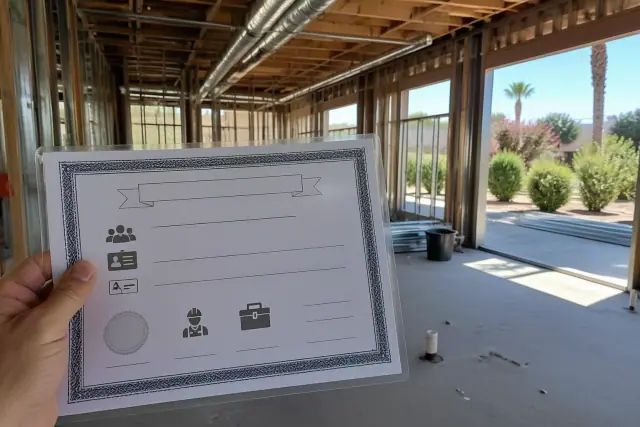
The active license record with the contractor name and demolition classification clearly visible. Those details help a property owner verify who is responsible for the work.
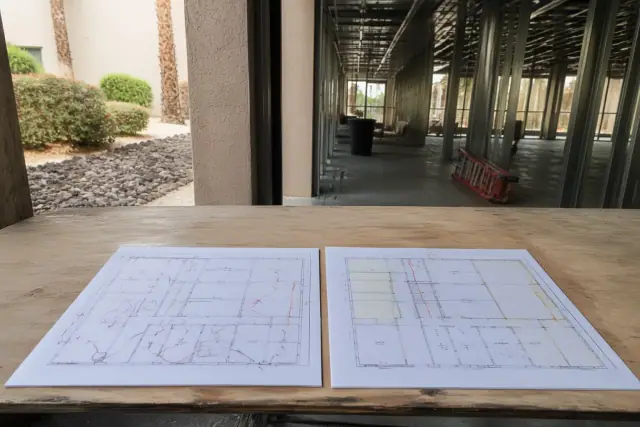
Multiple written estimates aligned by permits, disconnects, testing, hauling, and grading. This makes omitted work visible before a low bid turns into change orders.
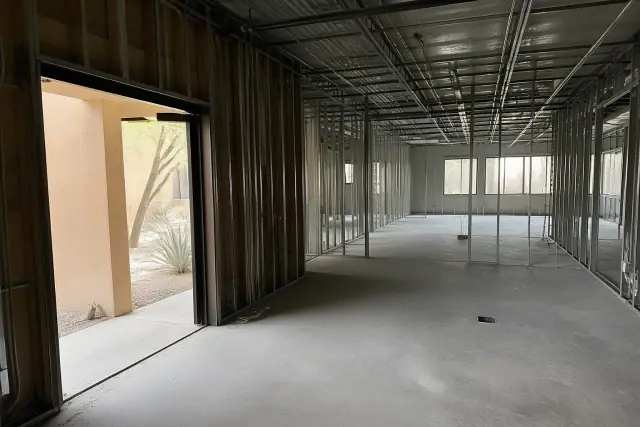
The contractor inspecting access, the foundation, nearby structures, utilities, and possible hazardous materials. A real site assessment should shape both the scope and the equipment plan.
Start with an active Arizona license, the correct demolition classification, a verifiable business record, and documented safety practices. A bid is not comparable until those basics are confirmed.
Require a written breakdown of labor, permits, utility disconnects, debris disposal, foundation work, and grading. Clear line items expose what a low lump-sum estimate leaves out.
Review projects with the same structure, foundation, access limits, and demolition method. Then call recent local references about communication, cleanup, and whether the final invoice matched the estimate.
Walk away from cash-only demands, verbal-only scope changes, missing license details, or vague answers about hazardous materials and debris disposal. Never accept a plan that skips required permits or dust controls.
| Check | Strong Evidence | Warning Sign |
|---|---|---|
| Credentials | Active Arizona license with the appropriate classification and a verifiable record | License details or requested credential documents are withheld |
| Written scope | Permits, utility disconnects, testing, hauling, and grading are itemized | A lump-sum bid leaves major tasks undefined |
| Project fit | Comparable project photos and recent local references are available | The portfolio does not match the structure or work type |
| Safety and compliance | Dust control, hazardous materials, and debris disposal have documented plans | The contractor suggests skipping permits or required controls |
House demolition places one contractor in control of heavy equipment, hazardous-material coordination, debris disposal, and the condition of the lot after the structure is gone. The right choice begins with a pre-demolition site walk and a written scope tied to the exact structure, whether it is a slab-on-grade ranch, a two-story house with a basement, or a garage. The contractor should state who obtains the City of Phoenix demolition permit, how utility disconnects are confirmed, and how Maricopa County dust-control requirements will be met. That level of detail matters more than choosing the lowest lump-sum bid.
Structure size, foundation type, a basement or attic, proximity to neighboring homes, equipment access, and known asbestos or lead paint all change the appropriate contractor and work plan. Caliche soil common in the Salt River Valley can affect excavation and foundation-removal timelines. A full structural teardown also requires different equipment and crew experience than selective demolition or an interior-only project. Concrete near adjoining structures may call for hydraulic breakers or saw-cutting to control vibration, so ask how the proposed method addresses the actual site.
How much should you budget? A broad planning range is about $6,000 to $25,000 total, often $10,000 to $18,000 for a standard single-family home, while Phoenix estimates commonly fall around $4 to $17 per square foot depending on size, materials, access, and hazardous-material findings. How long can the work take? A roughly 30-by-40-foot, 1,200-square-foot single-story home may require 1 to 3 days for mechanical demolition after approvals and disconnects, with 2 to 4 weeks upfront for permits and relevant testing on older homes, particularly those built before 1978, plus another 1 to 2 days for grading and final debris removal. Are permits required? A Phoenix structural teardown needs a city demolition permit and confirmed utility disconnects, while a separate Maricopa County dust-control permit may apply based on the disturbed area. What should you ask before signing? Confirm who pulls permits, how unexpected hazardous materials change the scope, where debris goes, the planned start and completion dates, and whether changes will be documented in writing.
Share the structure type, known hazards, access limits, and desired condition of the cleared site. A Phoenix demolition team can explain which inspections, permits, disconnects, and scope details belong in a written estimate before you approve work.